

Human-Animal Interaction: Why the Connection Matters
When we talk about wellbeing, three things often come to mind automatically: sleep, exercise/movement, and healthy eating, followed by social connection and mindfulness.
There is another source of wellbeing that is close to us and yet easily overlooked, interaction with animals.
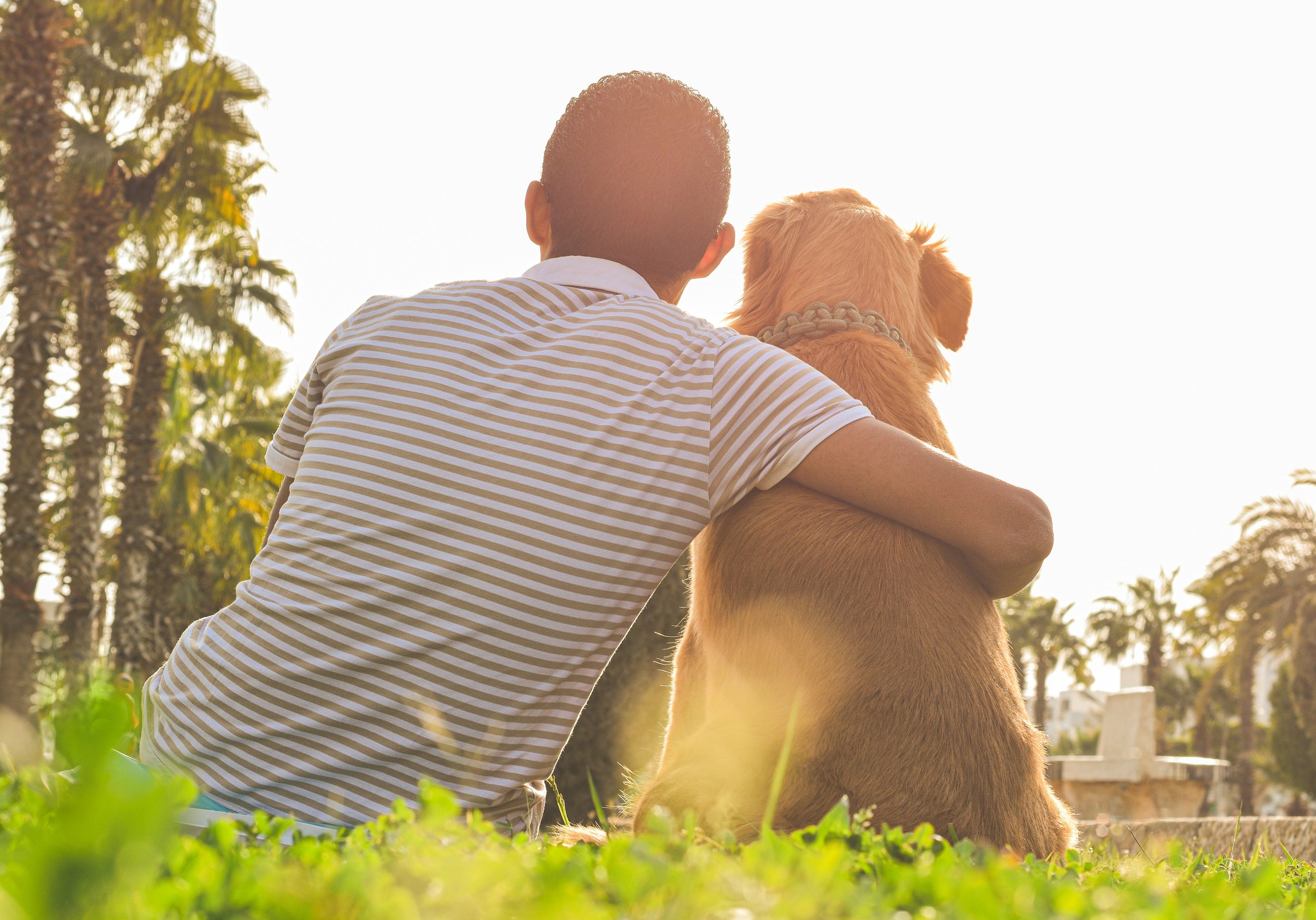
Photo by Omar Abozeid on Unsplash
How Can Human-Animal Interaction Affect Our Wellbeing?
Human-animal interaction (“HAI”) describes the different ways humans and animals interact with and influence one another. This interaction might goes deeper to become a relationship that affects each other's psychological and physiological state. (Samet et al., 2022)
Research on HAI found consistent effects on physiological stress markers, such as lower cortisol, reduced heart rate, and lower blood pressure, across age ranges. It was also found that oxytocin, the hormone linked to bonding and trust, rises during positive HAI (Beetz et al., 2012).
Think about the time when you sat quietly and intentionally beside your pet. During that time you may not think about deadlines or emails, instead your attention shifts towards the pet besides you in a relational way.
Does it mean that a pet automatically reduces our stress?
Unfortunately, the answer is NO, because interaction is not the same as ownership.
While it’s true that a pet may bring affection, companionship, routine, laughter, and opportunities to move, owning and caring for a pet also brings responsibility. Disrupted sleep, finding care while travelling, vet costs, behavioural difficulties, and worrying about their health are just some of the possible sources of stress from owning a pet (Brooks et al., 2018).
Having said that, a meta-analysis on animal-assisted therapy found that interaction with animals significantly reduces anxiety, depression and stress in adults, regardless of ownership (Shih et al., 2026).
Indeed, it is the interaction and relationship itself. When it is safe, positive, and mutually respectful, are the source of wellbeing.
A healthy bond goes both ways
The healthy human-animal interaction and bond are not simply about what an animal can give us but what we can give to the animal, too. It’s mutual.
An animal is not simply a human’s stress-management tool. We, as humans, need to pay attention to the animal’s needs, for example, noticing its body language, respecting whether it wants to interact, providing appropriate care, and considering its comfort, health, and safety.
And with the depth of the bond comes the depth of the loss 🥺.
When Losing a Pet Feels Like Losing Family
For some people, the death of a pet can be as intense as grief from losing an important human relationship.
Yet pet loss is not always recognised in the same way. There may be no bereavement leave from work, friends or colleagues may not know what to say, and some people may even say comments such as, "It was only a pet."
Researchers have described pet-loss grief as disenfranchised grief, meaning that the loss is deeply felt by the grieving person but may not receive adequate recognition or support from others (Crossley & Rolland, 2022). This lack of acknowledgement adds another layer to grief. A person may experience sadness alongside loneliness, guilt, or even embarrassment about how strongly they are affected.
There is NO one correct way to manage pet loss grief. One helpful starting point is simply to acknowledge that the relationship mattered. Rather than minimising the loss, give yourself permission to name it and recognise what has changed.
Some people find comfort in talking with someone who understands the significance of the bond. Others create a memorial, keep photographs or meaningful objects, write about their memories, or connect with pet-loss support group/community.
And as is common in grief, there is no fixed timeline to it. So, resist the pressure to "get over it" quickly. It’s your timeline.
Most importantly, try not to measure your grief against someone else's expectations!groups/communities.

Let's Clear Up Some Myths
Before we dive deep into what to do, let's address some common misconceptions.
Myth: Having a pet automatically improves our mental health.
Truth: A good relationship with our pet can improve the wellbeing, but the ownership comes with financial, emotional, and time commitments. For some the added responsibility can actually increase stress and worry. The bond and relationship matter more than the owning.
Myth: Feeling calmer around an animal is just in our heads.
Truth: A study on human-animal interaction found consistent and measurable benefits for stress-related factors, including cortisol, heart rate, and blood pressure.
Myth: A pet can replace human relationships.
Truth: While we can form a valuable and deep connection with pets, we can’t replace human connection. Animals can provide emotional support and companionship, but they still lack the ability to share complex thoughts amongst others.
Myth: We need to own an animal to benefit from the human-animal interaction.
Truth: Therapy pets have been found to provide comfort, affection, and emotional support through the interactions, even though they are not our pets.
Myth: The human-animal bond is only about what the animal can do for us.
Truth: The healthiest human-animal bond is built on mutual attachment and respect. Just like in human relationships, the deep connection happens when it’s a two-way connection.
Myth: Pets are only emotionally beneficial for children or older adults.
Truth: Studies on human-animal interaction have found that beneficial effects differ depending on the type of population and interaction, not the age.
Myth: Grief over a pet shouldn't be as intense as grief over a human.
Truth: The loss of a beloved animal can be just as, or even more, emotionally significant than the loss of a human. The grief can be worsened as others may not fully recognize or validate the loss.
Bringing the Connection Into Everyday
HAI does not need to become another to-do list on your wellbeing checklist. It can be much simpler.
If you have a pet, spend a few minutes being intentionally present with them. Notice their comfort and body language. Try to build a relationship based on mutual respect rather than treating your pet as a stress-relief tool.
If you do not have a pet, meaningful animal interaction may still be possible through animals belonging to family or friends, or volunteering with a local animal shelter.
And if you are grieving an animal you have lost, including one you lost some time ago, consider giving that grief the recognition it deserves.
Remember, sometimes wellbeing does not
come from adding more.
Sometimes it comes from
noticing a connection that is already there.
You've got this!
Beetz, A., Uvnäs-Moberg, K., Julius, H., & Kotrschal, K. (2012). Psychosocial and psychophysiological effects of human-animal interactions: The possible role of oxytocin. Frontiers in Psychology, 3, Article 234. https://doi.org/10.3389/fpsyg.2012.00234
Brooks, H. L., Rushton, K., Lovell, K., Bee, P., Walker, L., Grant, L., & Rogers, A. (2018). The power of support from companion animals for people living with mental health problems: A systematic review and narrative synthesis of the evidence. BMC Psychiatry, 18, Article 31. https://doi.org/10.1186/s12888-018-1613-2
Crossley, M., & Rolland, C. (2022). Overcoming the social stigma of losing a pet: Considerations for counseling professionals. Human-Animal Interactions, 2022, Article 0022. https://doi.org/10.1079/hai.2022.0022
Samet, L. E., Vaterlaws-Whiteside, H., Harvey, N. D., Upjohn, M. M., & Casey, R. A. (2022). Exploring and developing the questions used to measure the human-dog bond: New and existing themes. Animals, 12(7), Article 805. https://doi.org/10.3390/ani12070805
Shih, C. Y., Arifin, H., Kustanti, C. Y., Chang, W. J., Huang, C. H., Fitryasari, R., Tsai, M. C., & Ye, J. Y. (2026). Animal-assisted therapy on psychological and physical outcomes: A meta-analysis of randomised controlled trials. Journal of Global Health, 16, Article 04236. https://doi.org/10.7189/jogh.16.04236


