

Still Waters: All about Patience
Like it or not, we live in an "instant" era, an era that rewards ⚡ speed. Fast replies, quick decisions, instant results, short deadlines, immediate updates, and so on so forth. And at work, being fast is often treated as being capable.
But somewhere in the rush, we’ve started treating patience like a weakness. We worry that being patient makes us look passive, slow, or unambitious. For working professionals, especially those building careers, managing teams, serving clients, or juggling family responsibilities, patience can feel like a luxury we cannot afford. So, we start to apologise for being patient rather than considering patient as a skill to build on.
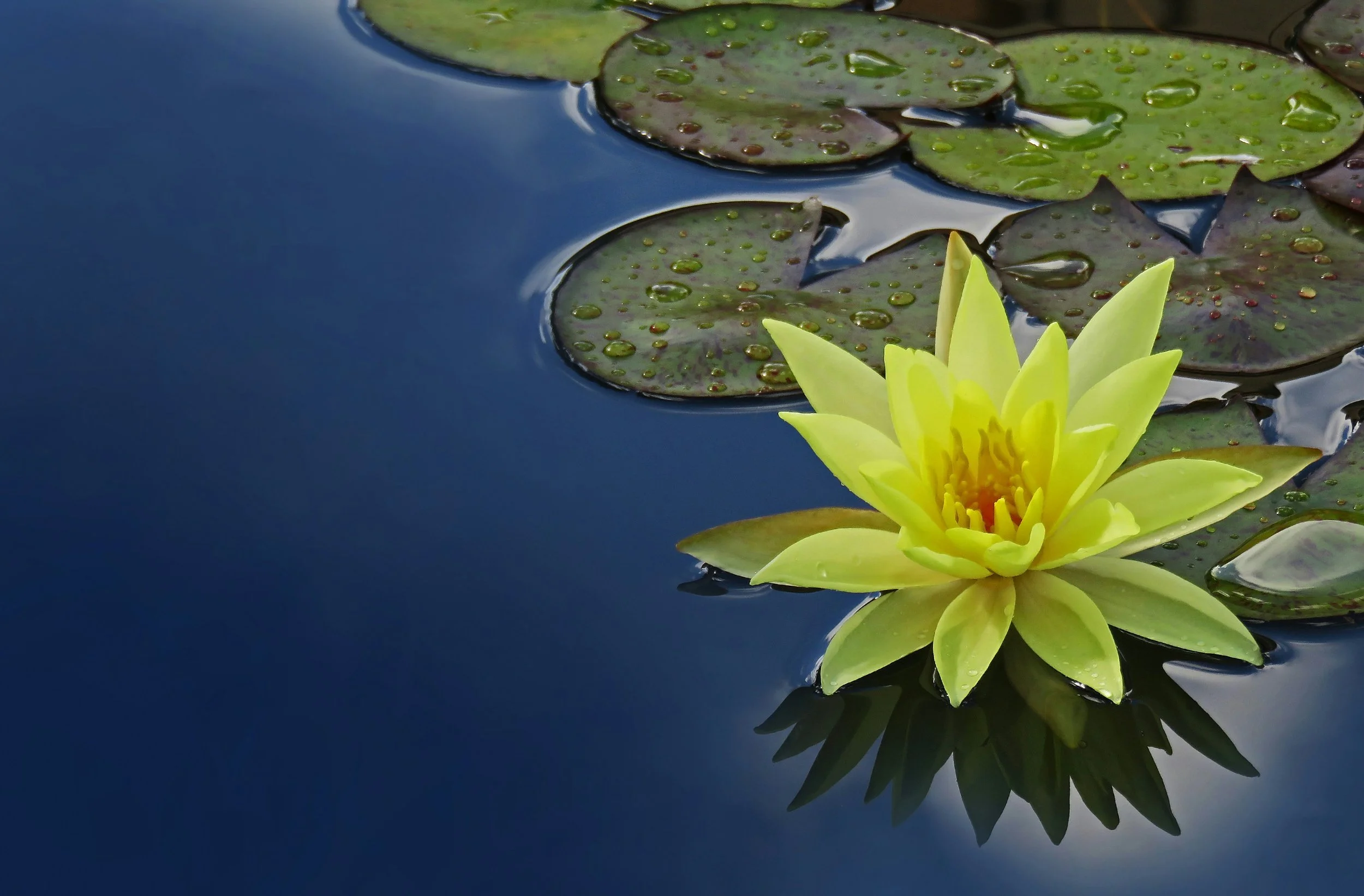
Photo by David Clode on Unsplash
What Patience Actually Means
Psychology researcher Kate Sweeny, PhD, from UC Riverside, defines patience not as quiet resignation but as a specific form of emotion regulation. It is a deliberate way of managing the frustration that comes with delay or disruption (Sweeny, 2025). It is not waiting without feeling, but it is choosing how we respond to what we feel. Another study defines patience as the tendency to wait calmly in the face of frustration or adversity (Schnitker, 2012). So, it’s not the absence of frustration, but the ability to stay grounded despite it.
Neither of these definitions has anything to do with being passive. Instead, they implied that patience is an active choice and the ability to create space between what happens and how we respond. And in today’s world, that space can make all the difference.
Three Types of Patience … we are so familiar with.
Research identifies three everyday types of patience that show up often in our lives (Schnitker, 2012).
Patience with people (Interpersonal patience)
This is needed when dealing with colleagues, clients, managers, family members, or anyone who communicates differently from us.
Patience during life difficulties (Life hardship patience)
This appears during bigger challenges such as career uncertainty, financial pressure, illness, caregiving, or major transitions.
Patience with daily annoyances (Daily hassles patience)
This includes traffic, slow emails, delayed meetings, confusing systems, long queues, or plans that change at the last minute.
Most of us experience all three, and that is why patience is not just a “nice-to-have” virtue but part of everyday wellbeing.
Why Patience Matters for Our Wellbeing
One study found that patience helped people keep going when things got difficult.
It did not mean that patient people wanted less or cared less. It meant that they could tolerate discomfort better and make meaningful progress (Schnitker, 2012). This research also tells us that patience is NOT a fixed personality trait we either have or do not. It is a skill that can be strengthened with practice.
Another study found that patience is positively correlated with subjective wellbeing, positive coping, virtues, and thriving (Schnitker & Emmons, 2007), as well as higher life satisfaction and general health (Aghababaei & Tabik, 2015).
In a professional context, this matters more than we often acknowledge. For example,
We reply sharply to a message before understanding the full context.
We feel angry because someone has not responded quickly enough.
We become anxious when progress is slower than expected.
We lose motivation because results are not immediate.
We make a decision just to escape discomfort.
Over time, that chronic sense of urgency and constant rushing can make the body and mind feel unsafe, which in turn reduces focus, increases irritability, and makes small issues feel bigger than they really are.
Patience interrupts that pattern by creating a breathing room to respond thoughtfully rather than reactively. It gives us a moment to pause, think, and choose a response that supports our goals.
Resistance with Patience
Some people resist patience because they associate it with being passive. But patience is not the same as silence. We can be patient and still set boundaries. We can be patient and still ask for clarity, negotiate timelines, or address a problem directly.
Imagine receiving an email that feels dismissive. An impatient reaction might be to reply immediately with frustration. A patient response might be to pause, reread the message, check the facts, and then respond professionally.
So, that pause does not make us passive and weak; instead, it protects our credibility.
Patience can often be seen like emotional maturity. It helps us stay composed in tense conversations, tolerate uncertainty, and keep moving through long projects without losing ourself along the way.
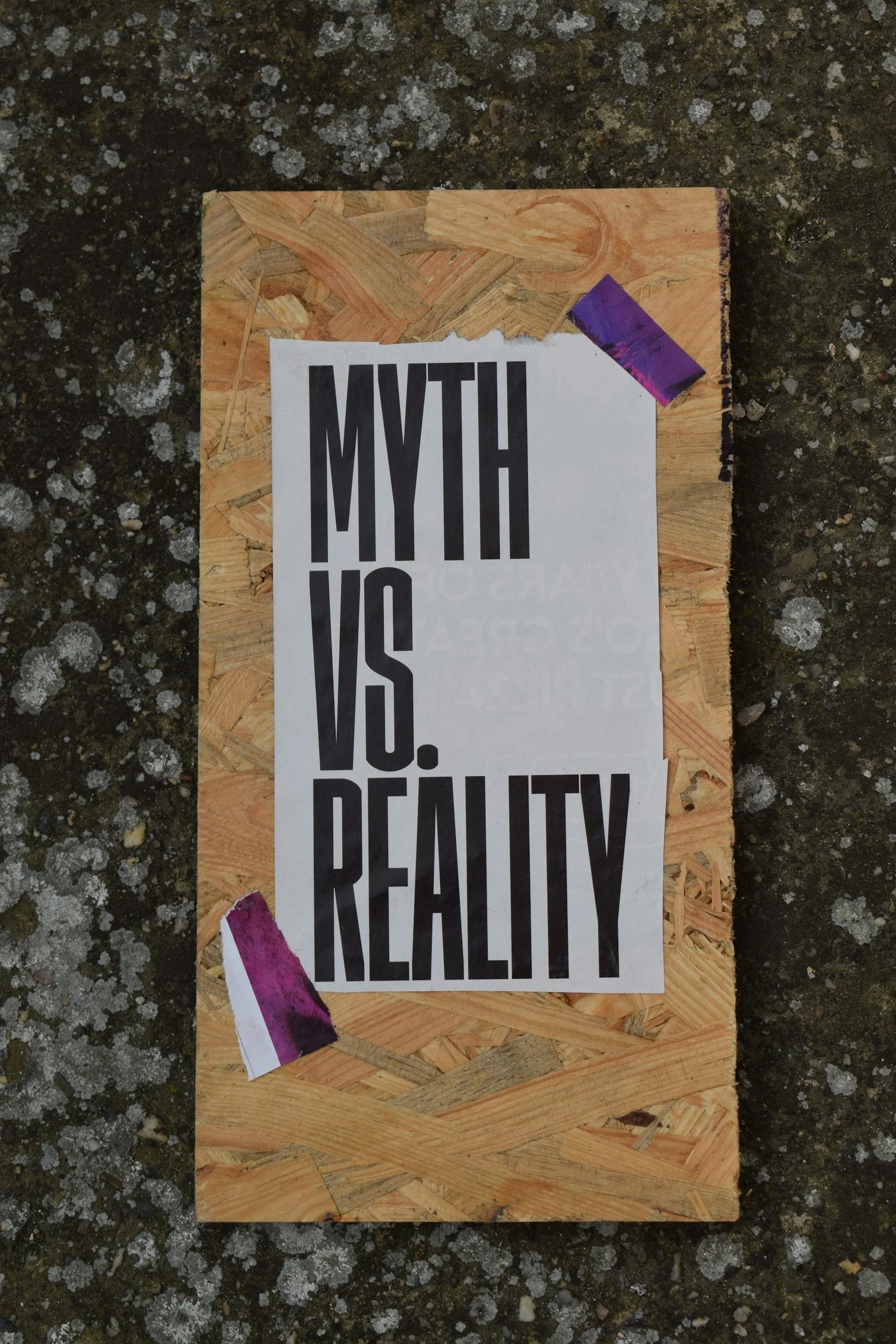
Let's Clear Up Some Myth
Before we dive deep into how to train our patience, let's address some common misconceptions about patience.
Myth: Patience is 99% willpower.
Truth: Patience is also shaped by environment, support, stress levels, and emotional skills. People can be more patient when they have safety, resources, coping tools, and realistic expectations.
Myth: Being patient means staying quiet and tolerating mistreatment or harmful behaviour.
Truth: Patience ≠ accepting mistreatment. Healthy patience creates the space to set clearer boundaries, problem‑solve, or choose to leave harmful situations instead of reacting in panic or anger.
Myth: Patience means doing nothing and passively waiting.
Truth: Instead of being passive, patience is an active state of emotional regulation. It involves intentionally managing our thoughts and physical responses while navigating delays or difficulties.
Myth: Being patient means shutting down, ignoring, or bottling up our emotions.
Truth: Healthy patience acknowledges emotions, feels them, and consciously chooses a more helpful response that is aligned with our values rather than reacting on every impulse.
Myth: Feeling frustrated and impatient means we've failed.
Truth: Truth: Being impatient is a completely normal biological and emotional response to stress. Recognizing that we feel impatient, without judgement, is the first step to regaining our calm.
Myth: We are either born as a patient person, or we aren't.
Truth: Patience is a learnable skill rooted in emotional regulation and impulse control. Just like a muscle, it can be developed, practiced, and strengthened over time through mindfulness and behavioral techniques.
Myth: If I’m patient, I’ll be left behind.
Truth: Studies (Puff, 2024) suggest that patience supports sustained goal pursuit and achievement by helping people persist through obstacles instead of burning out or quitting impulsively.
https://www.psychologytoday.com/us/blog/meditation-for-modern-life/202409/patience-the-key-to-navigating-lifes-unexpected-turns
How to Practice Patience in Small Moments
The good news is that patience does not require a complete lifestyle change. We do not need to become a completely different person, but we can practise patience in small, ordinary moments.
So, how about trying one (or both) of the simple exercises below ✌🏻?
Try the 7-Second Pause
When we receive an annoying message, face a delay, or feel the urge to react immediately, pause for seven seconds for that one slow breath.
This gives our mind a brief chance to move from impulse to intention. Seven seconds may sound small, but it can be enough to stop a reaction we may later regret.
Try this before replying to an email, answering a difficult question, responding to criticism, or making a decision under pressure.
Name the Friction
When impatience shows up in our body, name what is happening.
For example:
“I am feeling rushed because this meeting is running over.”
“I am feeling frustrated because I expected a faster reply.”
“I am feeling tense because this process feels unclear.”
This is NOT about pretending we are fine!
Naming the emotion helps separate us from the emotion. Instead of becoming the impatience, we observe it. That small distance can help us regain control and choose what happens next.
The Bottom Line
The old image of patience as someone quietly sitting, suppressing frustration, waiting without complaint, does not hold up anymore. Real patience is an active choice. It is a choice to stay present when things are not moving at the pace we would like. It is choosing a thoughtful response over an impulsive one.
Patience helps us stay focused without becoming frantic. It helps us care about results without being controlled by them, to move forward without burning out.
In this instant era, patience is not weakness; patience is strength with self-control.
As the Greek proverb says:
“One minute of patience, ten years of peace.”
Remember, patient ≠ passive.
It's about how much we can stay calm and thoughtful
when things are not going as we expect.
You’ve got this!
Aghababaei, N., & Tabik, M. T. (2015). Patience and Mental Health in Iranian Students. Iranian journal of psychiatry and behavioral sciences, 9(3), e1252. https://doi.org/10.17795/ijpbs-1252
Schnitker, S. A. (2012). An examination of patience and well-being. The Journal of Positive Psychology, 7(4), 263–280. https://doi.org/10.1080/17439760.2012.697185
Schnitker , SA and Emmons , RA . 2007 . Patience as a virtue: Religious and psychological perspectives . Research in the Social Scientific Study of Religion , 18 : 177 – 207 .
Sweeny, K. (2025). On (Im)Patience: A New Approach to an Old Virtue. Personality and Social Psychology Review, 29(2), 145–158. https://doi.org/10.1177/10888683241263874


